


It happened. You see the welt (or welts). You feel the itch. You know you’ve been bitten by … something?
But what was it that got you? And what do you do about it?
In truth, it can be hard to tell.
“It’s not always possible to identify bug bites and know where they came from, but there can be some telltale signs. And knowing what you’ve been bitten by can matter in determining how to treat it and understanding whether you need medical attention,” says emergency physician Christopher Bazzoli, MD.
Bug bites are common occurrences. And often, itchy, miserable ones. And, sometimes, disease-causing ones.
Dr. Bazzoli shares some ways to identify common bug bites and his advice for what to do about them.
How to identify bug bites
Our world is, for better or worse, full of insects that depend on biting us and other animals to survive. And while no one likes playing buffet to the minibeasts, bug bites can happen just about anywhere: the beach, the woods, hotel rooms, and your own home and yard as well.
They’re everywhere.
So, when you get that telltale itch, it can be tough to know when it happened, where it happened or what kind of creepy crawly is to blame.
Here are some of the common offenders.
Mosquito bites

Mosquito bites are perhaps the most ubiquitous bug bites around. They’re common around the world, with mosquitoes inhabiting every corner of the globe, save for Antarctica.
Fun fact: Only female mosquitoes bite. So, if you think about it, that’s only half the population of those little pests who are out to get you. (Hooray for silver linings!)
Identifying mosquito bites: Mosquito bites cause itchy, raised bumps on your skin. There may be just one or you may have several depending on how many bugs were snacking on you. If you look closely, you may also see a dark spot in the center. That’s the bite mark itself. The swelling and itching around it is your body’s immune system reacting to the bite.
What to watch for: Some mosquitos can carry disease. And you won’t know from looking at the bite whether you’re at risk. It’ll just look like a typical mosquito bite. Symptoms come later, typically, within a week or two.
“If you’re feeling sick, like having fevers, chills, aches, pains or a rash that’s spreading and you’ve been bitten by a bug, it’s worth it to reach out to a healthcare professional, like a primary care physician,” Dr. Bazzoli advises. “Because some mosquitoes can carry illnesses that can be very dangerous.”
While most mosquito bites are typically nothing but a nuisance, mosquitoes can carry diseases, like:
- Chikungunya, found primarily in Africa, North and South America, Asia, Europe and the Indian subcontinent.
- Zika, often found in Africa, North and South America, Asia and the Pacific region.
- Dengue, usually seen in Africa, North and South America, Asia and Europe.
- West Nile virus, most common in Africa, North America, West Asia, Europe and the Middle East.
- Malaria, found mostly in sub-Saharan Africa.
- Yellow fever, seen most commonly in Africa and South America.
Horsefly bites

Unlike some bugs that come and nibble and you never knew they were there, horseflies tend to make their appearance known.
Identifying horsefly bites: Horsefly bites tend to be painful. That’s because horseflies actually tear into your skin to feed. By the time you feel the prick and shoo the little bugger away, the damage has probably been done.
Horsefly bites tend to be somewhat painful, red and oh-so-itchy. You may find a small bit of blood near the bite, too.
Bed bug bites
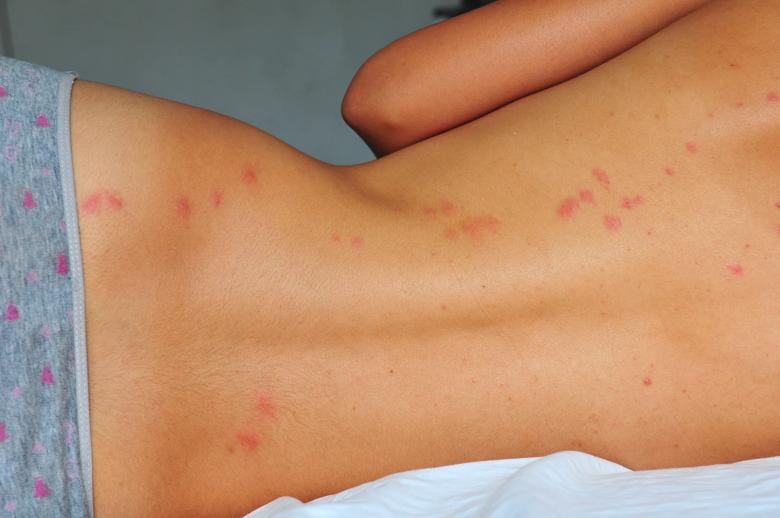
That old thing your parents said when they were tucking you in bed (“Sleep tight, don’t let the bed bugs bite”)? It suddenly takes on a much more ominous meaning when you learn that bed bugs are real. And they’re tiny biting machines.
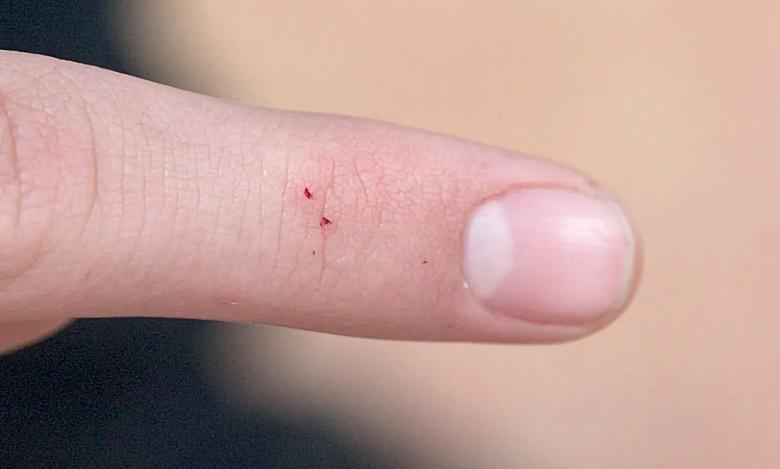
Identifying bed bug bites: Bed bug bites leave red welts on the skin that are typically in a line of three or more. That’s because bed bugs will stop to feed, move a few teeny steps, then feed again, move again, feed again and so on.
Pro-tip for finding bed bugs: If you suspect you may have bed bugs, the best place to search for them is … well, in your bed. And if you use white sheets, those little dark-colored bugs can be easier to spot.
“Bed bugs tend to leave little streaks, like skid marks, on the sheets. And they can be easier to spot on a white or very light-colored background,” Dr. Bazzoli points out.
If you do spot bed bugs, a healthcare provider may prescribe an insecticide wash to clean any bugs off your skin. Wash your sheets, pillowcases and upholstery well in hot water, and bleach them if possible, to kill off any remaining critters.
Flea bites
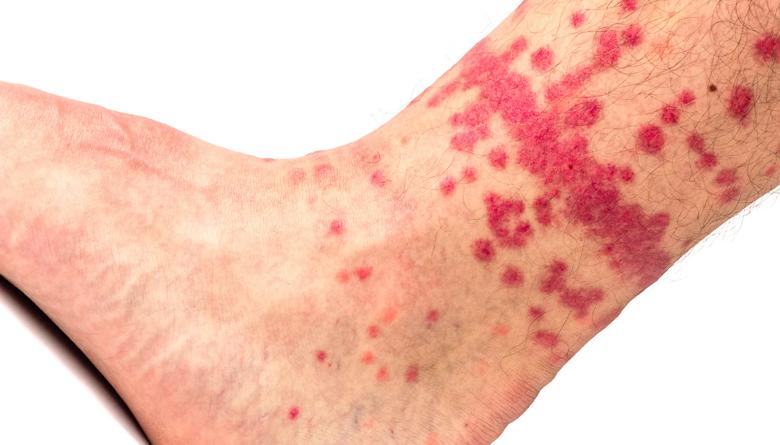
Often, people associate fleas with pets, and it’s true that your furry friend can be a flea’s bestie. But you don’t have to be a pet owner to fall victim to flea bites.
Fleas tend to congregate in shady areas, like under trees and in tall grasses. Being out in flea-infested areas can leave you prone to bites. And if you do have a pet, fleas can hop on for a ride and make their way into your home. There, they set up shop in your carpet, furniture and more.
Identifying flea bites: Flea bites usually look like an array of tiny, red itchy spots. Often, you’ll find them near your feet and ankles. That’s because fleas are usually found close to the ground.
Chigger bites
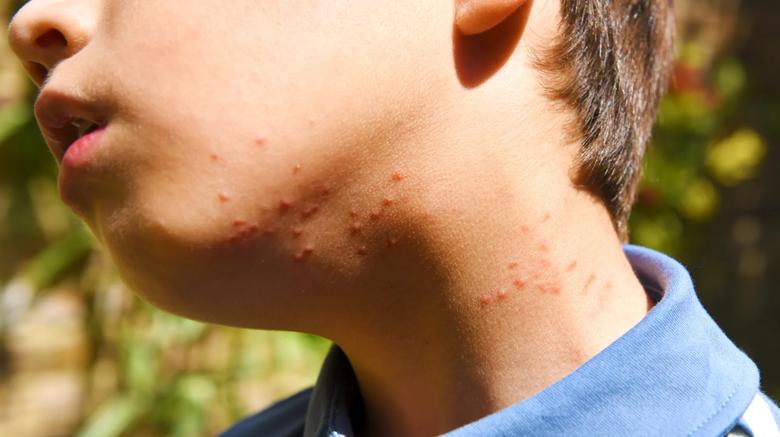
Chiggers are microscopic mites that are nearly invisible to the eye. But when they come at you, their bites can leave a big mark.
They’re common among kids after playing around in grassy or wooded areas, but they can affect anyone.
Identifying chigger bites: Chigger bites form in a line of small, red spots and are intensely itchy. They tend to congregate around sock lines, waistband areas, bra lines and folds in your skin. Chigger bites are at their peak itchiness about 24 to 48 hours after the bite.
Tick bites

Unlike the insects that take a nibble and fly off before you know it, ticks hang around. They hop on, latch on and stick around until they’re full. And that can take a while. More than a day, if they’re really hungry.
Identifying tick bites: You may not notice that you have a tick biting on you until it feeds for a while. That’s because ticks get bigger as they fill up. (Think Violet Beauregarde turning into a blueberry in Willy Wonka.)
If you notice a bug on you that can’t be swatted away, it’s probably safe to assume that it’s a tick and it’s good and latched. Grab your tweezers and follow these steps to remove it safely.
The bite a tick leaves behind may look like a small, hard red dot.
Taking precautions with tick bites: If you successfully removed a tick quickly, you’re less likely to have any lasting effects. But ticks that have been feeding on you for a while — typically 24 hours or more — can put you at risk for tick-borne diseases, like Lyme disease and Rocky Mountain spotted fever.
Lyme disease is usually characterized by its bullseye-like appearance. You may notice a red circle surrounded by a red ring. Lyme disease can have lasting effects on your health if not treated properly.
“Lyme disease is only spread by an infected deer tick (also called black-legged ticks),” Dr. Bazzoli clarifies. “If you find a tick, it’s really helpful to your healthcare provider if you can send them a photo of it. Because if it’s the wrong kind of tick, then we don’t even have to worry about Lyme disease.”
Rocky Mountain spotted fever causes headaches, fevers and a rash and can be life-threatening if not treated quickly.
If you’ve been bitten by a tick, keep an eye out for the following two weeks and seek medical attention for signs of illness, like:
- Fever.
- Rash.
- Headache.
- Fatigue.
- Swollen lymph nodes.
- Nausea.
- Vomiting.
- Muscle pain.
If you’re concerned about whether you may be at risk for tick-borne illness, Dr. Bazzoli suggests checking out the U.S. Center for Disease Control and Prevention’s Tick Bite Bot. It will lead you through a series of questions to help you decide whether to seek treatment. It will ask about things like:
- If the tick was attached and for how long.
- The state or territory where the bite occurred.
- Whether you’re having any symptoms.
Spider bites
If there’s one thing to know about spider bites, Dr. Bazzoli says that it’s this: “Spiders get blamed for a lot of stuff they didn’t do. Most spiders in the United States don’t have big enough fangs to actually break through your skin. So, typically, it’s some other culprit.”
There are, of course, some spiders that can bite you and leave a mark. But you’ll usually be well aware of what happened. So, if you wake up with a bug bite and immediately conclude it must have been a spider in your sheets, maybe try cutting the spiders some slack.
But two spiders in particular can leave bite marks that can leave you in a world of hurt.
Brown recluse bites
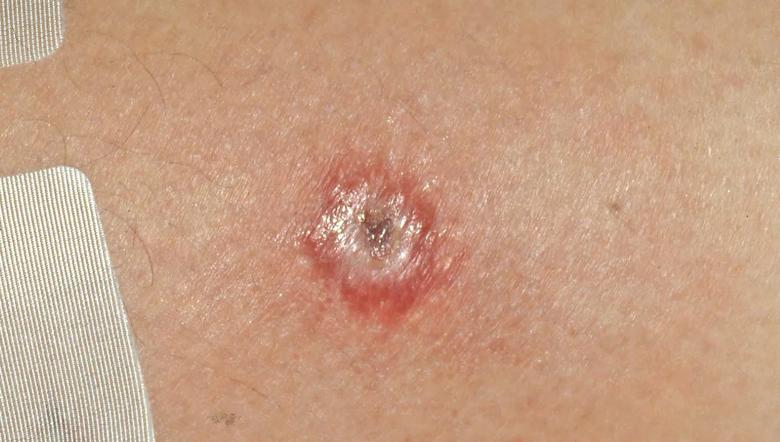
There’s a reason they’re called “recluses.” That’s because brown recluse spiders tend to keep to themselves. They might hole themselves up in places you haven’t been in a while, like a pile of boxes in the garage or a stack of wood in the backyard.
“Typically, if you’re bitten by a brown recluse spider, it happens when you’re reaching for something and scare them. Not because they’re coming for you, like the movies would have you believe,” Dr. Bazzoli notes. “So, we tend to see bites on the arms and hands.”
A bite from a brown recluse spider might start out looking like your typical red, swollen welt. But over the course of a few days, it can progress to becoming more red and painful. You might see that your skin around the bite begins to sink in some. It might also start to take on a bluish coloring.
“Their venom is cytotoxic, meaning it’s toxic to tissues. It’ll actually kill that area of skin and form an ulcer,” Dr. Bazzoli explains. It should be noted, too, that the toxin from a brown recluse doesn’t spread around your body. It stays pretty isolated to the site of the bite.
If you get bitten by a brown recluse, wash the area thoroughly with soap and water. Apply ice for the pain and take over-the-counter pain medication if you need it. If you’re concerned about a serious bite or haven’t had a tetanus shot for the last 10 years, it’s worth a call to a healthcare provider to get advice.
Black widow spider bites
The black widow spider is the stuff that haunts us in our sleep. Because their bites can be particularly harmful.
“Female black widow spiders are the ones that have that brilliant red hourglass on their abdomen, and their venom is a neurotoxic agent, which attacks your nerves and can be dangerous,” Dr. Bazzoli shares.
An important distinction is that a bite from a male black widow spider doesn’t leave a mark. They’re too small to break the skin.
A female black widow spider bite may leave two puncture marks where their fangs sunk in. You might also notice:
- Redness and swelling around the bite.
- Pain at the site.
- An itchy rash.
- A blue-gray color at the site of the bite.
- Numbness at the site.
You may also develop troubling symptoms if the venom has entered your body, usually within a few hours or less. That can include reactions like:
- Pain.
- Stiffness.
- Muscle spasms.
- Trouble breathing.
- Headache.
- Nausea or vomiting.
- Fever or chills.
“Black widow bites can make you very sick, especially in children,” Dr. Bazzoli emphasizes. “Be careful to wash the bite thoroughly with soap and water and seek quick medical care if you develop any concerning symptoms.”
In addition to calling a healthcare provider, the National Capital Poison Center (800.222.1222) is a good resource for people bitten by spiders in the United States. They can help you determine your next steps if you believe you’ve been bitten by a black widow spider
Managing bug bites
The first thing to do if you’ve been bitten by any bug is to wash thoroughly.
“Anytime we’ve got a bite or a break in the skin, it’s a place where bacteria can now start to get in,” Dr. Bazzoli points out. “We’re covered in bacteria all the time. And when we get a break in the skin, that can be a place where those bacteria that are normally just fine living on your skin surface can now get into the tissue and set up an infection, like an abscess.”
That’s also why if your bite is itchy, it’s important not to scratch. Scratching can cause more tears in your skin and more opportunity for bacteria to get in.
Instead, treat itchy, scratchy bug bites with home remedies like:
- Aloe.
- Calamine lotion.
- Ice.
- Over-the-counter antihistamine medications.
Keep an eye out for signs of an infection or a bug-borne disease. Seek medical attention for symptoms of illness like:
- Headaches.
- Nausea.
- Rash.
And remember, an ounce of prevention can be worth a pound of cure. In other words, next time you’re out in nature, take measures to protect yourself from biting bugs. That includes things like wearing long sleeves and long pants and using a bug spray that contains 20% DEET or the insect repellent IR3535.
“Bites typically happen when we’re enjoying the outdoors, which we always encourage people to do,” Dr. Bazzoli says. “It’s great for our mental health and our physical health. But basic prevention measures really go a long way.”
This story was originally published by the Cleveland Clinic